
Addition & Subtraction Games
Adding and taking away are the first real tools of math, and they are learned through lots of playful repetition. This page follows the path most children take: counting objects up to 10, adding small numbers, subtracting, mixing the two and finally counting money. In the US, the Common Core standards expect first graders to add and subtract within 10 fluently and second graders to know the sums of any two one-digit numbers from memory. Every game here is free in the browser on computers, tablets and Chromebooks.
Children who are still counting on their fingers are in the right place: the games with picture choices and no time limit let them build confidence before the faster rounds. For tips on making practice stick, read our parent's guide to math games, and when the facts are solid, move on to multiplication games.
Counting and numbers to 10
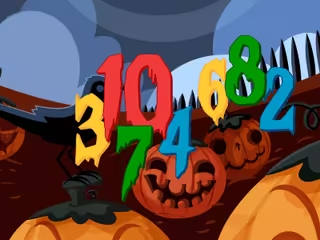
For pre-K and kindergarten: count objects, recognise numerals and find numbers hidden in pictures, at a calm pace.


Addition games
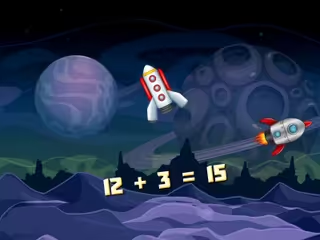
From sums under ten to bigger totals: pick the right answer to win a race or launch a rocket, and build an exact target total from birds on a wire.


Subtraction and mixed practice
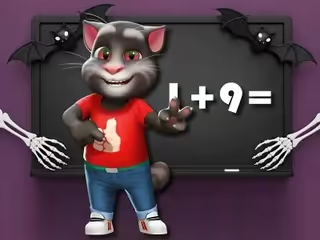
Subtraction on its own, then games that mix it with addition so children read each problem before answering. MathPup Gold has no time limit, which suits careful thinkers.

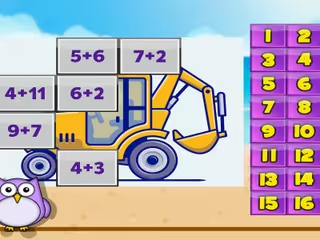


Counting money
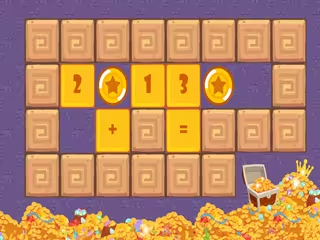
Adding coin values to reach an exact amount, a real-life use of addition that also teaches U.S. coins.

Christmas math games
Festive practice for December: a boxing match powered by addition answers and a calm counting game with Santa.


Addition and subtraction games FAQ
What age are these addition and subtraction games for?
Mostly ages 4 to 8. The counting games suit pre-K and kindergarten, the addition and subtraction games fit kindergarten to grade 2, and the mixed and money games stretch into grade 3.
Is it okay for my child to count on their fingers?
Yes, at the start. Finger counting is a normal step. Over time, knowing number bonds such as the pairs that make 10, and facts like doubles, lets children recall answers instead of counting, and short daily games are a good way to get there.
Should my child learn subtraction after addition?
They are best learned close together, because subtraction is addition in reverse: if 3 + 5 = 8, then 8 − 5 = 3. Most children find subtraction a little harder at first, so start each session with a few addition rounds.
Are these math games free and safe to play?
Yes. They are free in the browser with no download, sign-up or chat, and work on computers, tablets, phones and Chromebooks. Some games show a short ad before they start.