
Chess Variants
Chess has cousins all over the world. Japan plays shogi, where captured pieces switch sides and come back into the game; China plays xiangqi on the intersections of a board split by a river; Thailand plays makruk, a slower, older-feeling game where the queen moves just one square. Vikings had hnefatafl, where one side only wants to smuggle its king to safety. This page collects every chess variant on MathLogic, from those classics to modern twists on hexagonal boards and stacking towers.
Most of these games let you play the computer, a friend on the same device or an opponent online, all free in the browser. New to chess itself? Start with our beginner's guide to chess — every variant here builds on the same ideas.
How each variant differs from chess
A quick guide to what changes in each game, so you know what to expect before your first move.
| Game | From | Board | What's different |
|---|---|---|---|
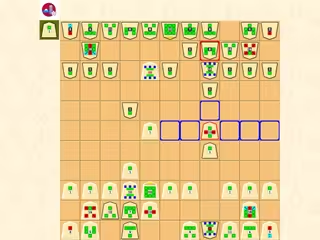
| Shogi: Japanese Chess | Japan | 9×9 | Captured pieces join your side and can be dropped back onto the board; most pieces promote in the enemy camp. |
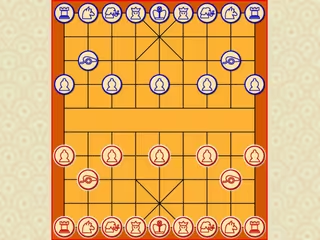
| Xiangqi: Chinese chess, duel | China | 9×10 points | Pieces stand on intersections; a river splits the board, generals stay in their palace and cannons capture by jumping one piece. |
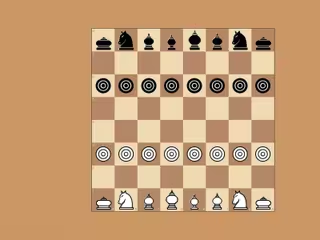
| Makruk: Thai Chess | Thailand | 8×8 | Pawns start on the third rank, the queen moves only one square diagonally and there is no castling. |
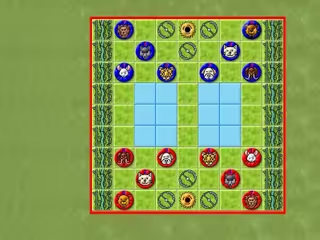
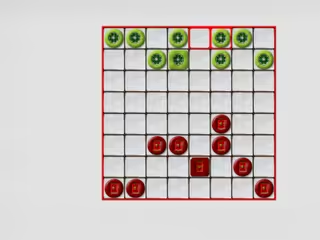
| Chess - Jungle | China | Grid with ponds and traps | Ranked animals instead of chess pieces; the rat can beat the elephant, and you win by reaching the enemy lair. |
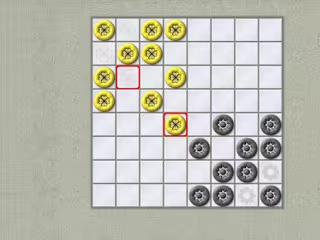
| Tavreli: Russian Chess | Russia | 8×8 | Normal chess rules, but captured pieces are stacked into towers under the capturer and can be freed later. |
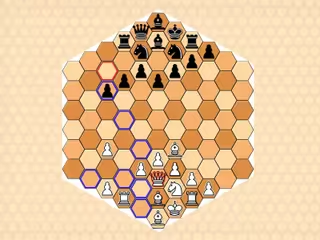
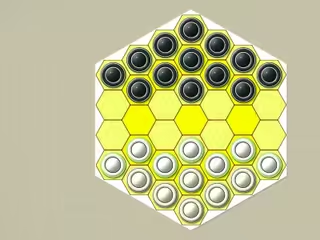
| Hexagonal chess | 20th century | Hexagonal cells | Six-sided cells give pieces new directions; six historical variants, including the well-known Glinsky version. |
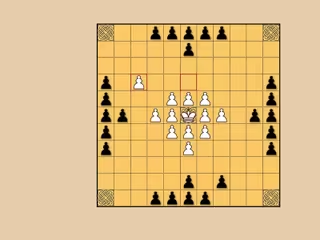
| Tafl: viking chess | Scandinavia | 7×7 to 13×13 | Uneven sides: defenders try to get their king to the edge or a corner, attackers try to surround him. |
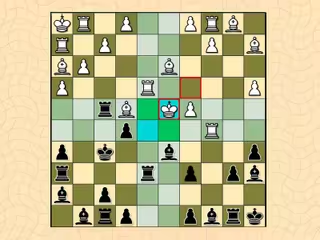
| Gala: Farm chess | Historic | Square board with a central zone | Win by capturing both enemy kings or bringing two of your own onto the four central squares. |
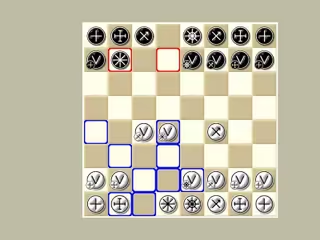
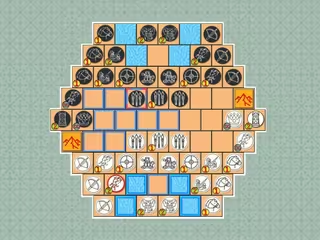
| Cyvasse: Chess ice and flame | Fantasy | Board with mountains | Pieces have armor and attack at range; a piece can only be taken once its armor is worn down. |
Classic chess
Warm up with standard chess: play a full game against the computer or a friend, or solve short puzzles where you trap the king using normal piece moves.


Asian chess
The great chess traditions of Japan, China and Thailand, plus the Chinese animal game known as Jungle.
Historic and modern variants
Viking hnefatafl, Russian tower chess, chess on hexagons and a historic farm game — each a fresh challenge for chess players.
More classic strategy board games
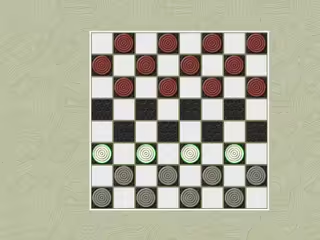
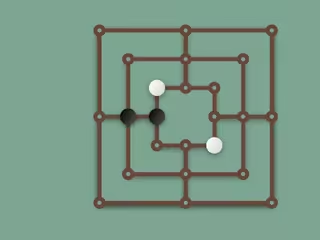
Not chess, but close relatives in spirit: checkers from around the world, the ancient game of mills, Roman ludus, halma, gomoku and reversi.
Chess variants FAQ
What is a chess variant?
A chess variant is any game that grows out of chess or shares its roots: the pieces, board or rules change, but the core idea of outplaying an opponent turn by turn stays. Some, like shogi, xiangqi and makruk, are centuries-old national games; others, like hexagonal chess and Tavreli, are modern inventions.
Which variant is easiest for a chess player to learn?
Tavreli and makruk feel the most familiar. Tavreli keeps every normal chess rule and only adds stacking towers, while makruk uses a regular 8×8 board with a few weaker pieces. Shogi and xiangqi take a little longer, because of piece drops in shogi and the river and palace in xiangqi.
Can I play these games against the computer?
Yes. Most variants on this page let you choose between an AI opponent, a friend on the same device or a player online, and they all run free in the browser with no download.